Actovegin Indications: Complete List of Uses and Clinical Applications
19 Jun 2026
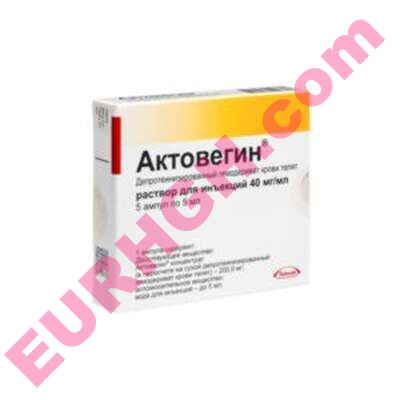
Actovegin has been used in clinical practice for decades and remains one of the most discussed metabolic medications in neurology, vascular medicine, wound care, and rehabilitation. Derived from deproteinized calf blood hemodialysate, Actovegin is widely prescribed in many European and Asian countries to support cellular energy metabolism, improve oxygen utilization, and enhance tissue recovery.
Although regulatory approaches vary between countries, numerous studies have investigated its role in neurological recovery, peripheral circulation disorders, diabetic complications, and tissue repair. According to a comprehensive review published in the PubMed review "Actovegin®: a biological drug for more than 5 decades", the drug has been used in a broad range of clinical settings involving impaired circulation and metabolic dysfunction.
For patients and healthcare professionals seeking information about actovegin tablets, understanding the full spectrum of approved and commonly prescribed indications is essential for informed treatment decisions.
What Is Actovegin?
Actovegin is a biological medicinal product containing low-molecular-weight compounds obtained through ultrafiltration of calf blood. The preparation contains amino acids, oligopeptides, nucleosides, and other naturally occurring substances that participate in cellular metabolism.
Research suggests that Actovegin may enhance glucose uptake, improve oxygen utilization, and support ATP production at the cellular level. These mechanisms are believed to contribute to its therapeutic effects in conditions associated with ischemia, hypoxia, and impaired tissue regeneration.
Main Indications for Actovegin
The therapeutic applications of Actovegin can be divided into several major categories:
- Neurological disorders and cognitive impairment
- Cerebrovascular diseases
- Peripheral arterial disease
- Diabetic neuropathy
- Wound healing and tissue repair
- Chronic venous insufficiency
- Recovery after traumatic injuries
- Supportive therapy in ischemic conditions
Neurological and Cognitive Disorders
Post-Stroke Cognitive Impairment
One of the most extensively studied areas of Actovegin use involves neurological recovery after ischemic stroke. Post-stroke cognitive impairment can significantly affect quality of life, memory, concentration, and daily functioning.
A systematic review published in PLOS One via PubMed Central analyzed available evidence regarding Actovegin in stroke patients. Researchers evaluated several clinical studies investigating cognitive recovery and neurological outcomes following ischemic stroke.
In clinical practice, Actovegin is frequently included in rehabilitation protocols aimed at supporting cognitive function, neuroplasticity, and recovery processes after cerebral ischemia.
Chronic Cerebrovascular Insufficiency
Patients with chronic cerebral circulation disorders may experience:
- Memory decline
- Reduced attention span
- Dizziness
- Fatigue
- Decreased mental performance
- Age-related cognitive changes
Actovegin is commonly prescribed as part of comprehensive treatment strategies designed to improve metabolic activity in brain tissue and support neuronal energy supply.
Peripheral Arterial Disease and Circulatory Disorders
Intermittent Claudication
Peripheral arterial disease (PAD) is characterized by reduced blood flow to the lower extremities due to arterial narrowing. One of the hallmark symptoms is intermittent claudication, causing pain and discomfort during walking.
A multicenter randomized placebo-controlled clinical trial known as APOLLO evaluated Actovegin in patients with Fontaine stage IIB PAD. The study demonstrated improvements in walking distance and functional outcomes among treated patients, as reported in the PubMed publication on the APOLLO trial.
As a result, Actovegin is often considered as part of treatment protocols for:
- Peripheral arterial disease
- Intermittent claudication
- Chronic limb ischemia
- Microcirculatory disorders
Chronic Ischemia of the Lower Limbs
Patients with chronic ischemic conditions frequently experience:
- Cold extremities
- Poor wound healing
- Pain during activity
- Trophic skin changes
- Reduced mobility
Clinical experience reported in vascular medicine literature suggests that Actovegin may support microcirculation and tissue metabolism in patients suffering from chronic lower-limb ischemia.
Diabetic Neuropathy and Diabetes-Related Complications
Diabetic polyneuropathy remains one of the most common complications of diabetes mellitus. Symptoms often include:
- Burning sensations
- Numbness
- Tingling
- Sensory disturbances
- Reduced quality of life
Several clinical investigations have evaluated Actovegin in diabetic neuropathy management due to its potential effects on cellular energy metabolism and oxygen utilization.
For patients receiving long-term metabolic support, oral formulations such as actovegin tablets are frequently incorporated into maintenance therapy following initial treatment courses.
Wound Healing and Tissue Regeneration
Chronic Wounds
One of the longest-established uses of Actovegin involves tissue repair and wound healing. The drug has historically been utilized in:
- Diabetic foot ulcers
- Trophic ulcers
- Pressure ulcers
- Post-surgical wounds
- Slow-healing injuries
The rationale behind this application is linked to improved oxygen utilization and cellular metabolism within damaged tissues. The comprehensive review available through PubMed highlights wound healing among the major therapeutic fields where Actovegin has been used for decades.
Burns and Skin Grafting
In dermatological and surgical settings, Actovegin preparations have also been used to support:
- Skin regeneration
- Burn recovery
- Graft integration
- Tissue granulation
Sports Medicine and Musculoskeletal Recovery
Sports medicine specialists have explored Actovegin for muscle injuries, tendon disorders, and rehabilitation support.
A review published in the Journal of Sports Medicine (PubMed) examined available evidence regarding Actovegin's role in musculoskeletal medicine. Researchers discussed its potential anti-inflammatory, antioxidant, and tissue-repair properties.
Although evidence remains mixed and further studies are needed, Actovegin continues to be used in certain rehabilitation and sports recovery protocols.
Potential Mechanisms Supporting These Indications
Several biological mechanisms may explain why Actovegin has been investigated across multiple therapeutic areas.
- Enhanced glucose transport into cells
- Improved oxygen utilization
- Increased ATP production
- Support for cellular energy metabolism
- Reduction of oxidative stress
- Promotion of tissue repair processes
Experimental research published in PubMed Central demonstrated anti-inflammatory effects and reductions in oxidative stress markers under laboratory conditions, providing potential mechanistic explanations for some clinical observations.
Summary Table: Complete List of Actovegin Indications
| Medical Area | Clinical Indication | Typical Purpose |
|---|---|---|
| Neurology | Post-stroke recovery | Cognitive support and rehabilitation |
| Neurology | Chronic cerebrovascular insufficiency | Support of cerebral metabolism |
| Vascular Medicine | Peripheral arterial disease | Improvement of walking capacity |
| Vascular Medicine | Intermittent claudication | Functional symptom management |
| Diabetology | Diabetic polyneuropathy | Neurological symptom support |
| Wound Care | Diabetic foot ulcers | Tissue regeneration |
| Wound Care | Trophic ulcers | Healing support |
| Surgery | Postoperative recovery | Tissue repair support |
| Sports Medicine | Muscle and tendon injuries | Recovery assistance |
Who May Benefit from Actovegin Therapy?
Depending on local clinical guidelines and physician recommendations, Actovegin may be considered for patients experiencing:
- Circulatory disorders
- Neurological recovery needs
- Peripheral vascular disease
- Diabetic complications
- Slow-healing wounds
- Recovery after tissue injury
Patients prescribed actovegin tablets should always follow individualized medical guidance regarding dosage, treatment duration, and monitoring.
FAQ
What is the primary indication for Actovegin?
Actovegin is commonly used in conditions involving impaired circulation, tissue hypoxia, neurological recovery, diabetic complications, and wound healing support.
Is Actovegin used after stroke?
Yes. In many countries, Actovegin is prescribed as part of rehabilitation programs following ischemic stroke, particularly when cognitive recovery support is desired.
Can Actovegin help with peripheral arterial disease?
Clinical studies, including randomized controlled trials, have investigated Actovegin in patients with intermittent claudication and peripheral arterial disease.
Is Actovegin prescribed for diabetic neuropathy?
Yes. Diabetic polyneuropathy is one of the recognized clinical applications of Actovegin in several healthcare systems.
Are tablets and injections used for the same indications?
In many treatment protocols, injections may be used during initial intensive therapy, followed by oral treatment with tablets for maintenance and long-term support.
Conclusion
Actovegin remains a widely utilized metabolic medication with applications spanning neurology, vascular medicine, diabetology, wound care, and rehabilitation. While the strength of evidence varies across indications, decades of clinical use and ongoing research continue to support interest in its role in conditions associated with impaired oxygen utilization, ischemia, and tissue repair.
Understanding the complete list of Actovegin indications allows patients and healthcare professionals to better evaluate where therapies such as Actovegin may fit within broader treatment strategies and long-term recovery plans.